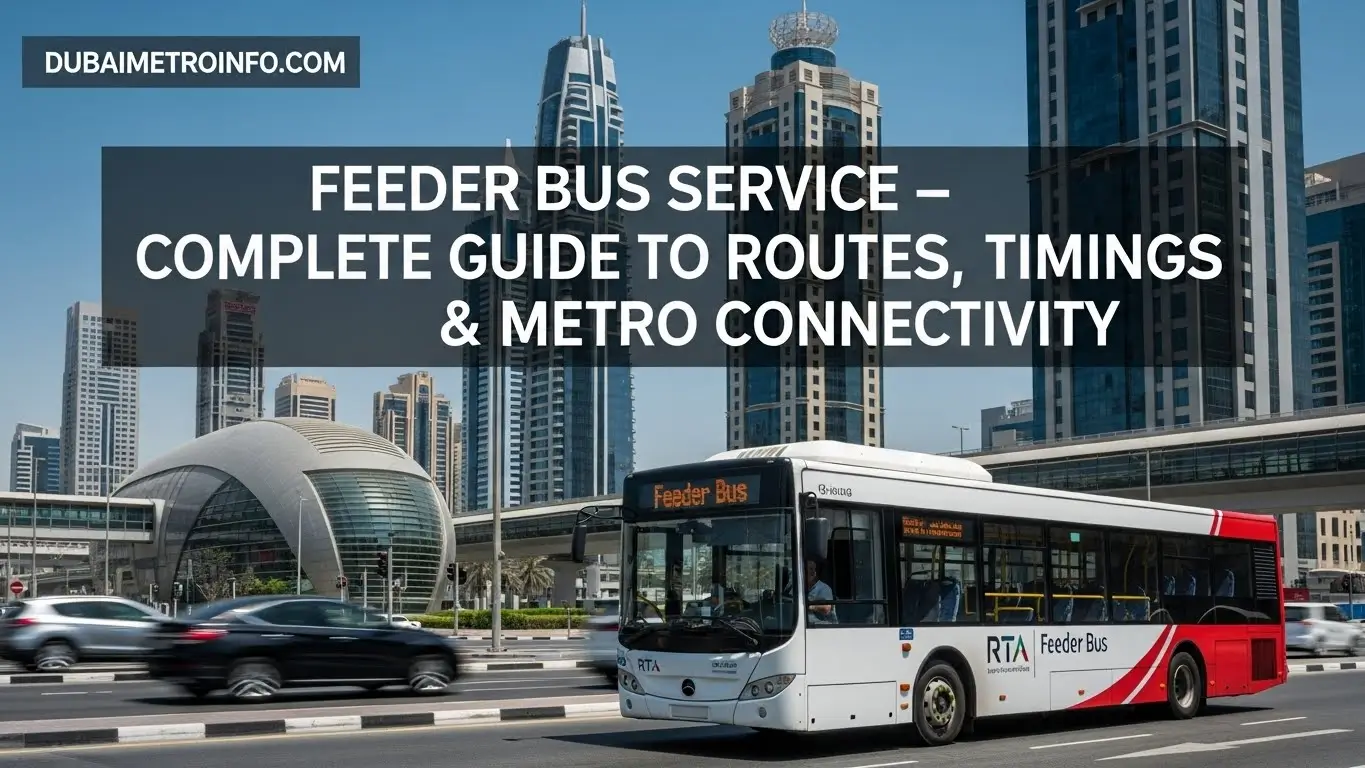
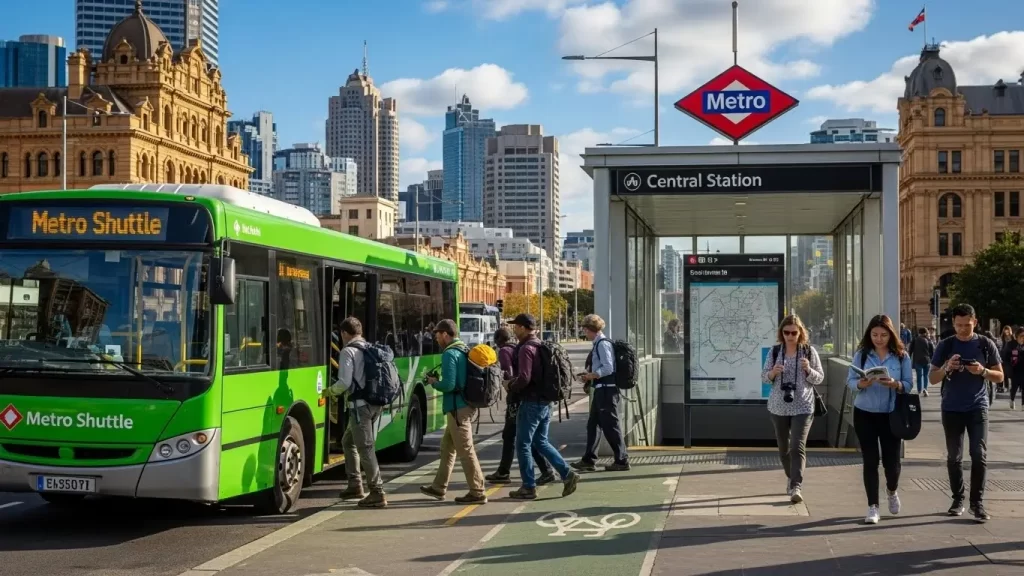
Feeder Bus Service is an essential part of public transport that connects nearby communities with metro stations, ensuring smooth and convenient last-mile travel. It helps commuters reach the metro easily without relying on private vehicles, making daily travel more efficient and cost-effective.
With clearly defined routes, fixed timings, and direct metro connectivity, feeder buses support an integrated transport network. This service reduces traffic congestion, saves time, and offers a reliable travel option for residents and visitors using the metro system.
What Is a Feeder Bus Service?
A Feeder Bus Service is a public transport system designed to connect nearby residential and commercial areas with major metro or transit stations. Instead of traveling long distances on foot or using private vehicles, passengers can rely on feeder buses to reach the metro quickly and conveniently. These buses usually operate on short routes and follow schedules that align with metro operating hours.
The most important role of a feeder bus is last-mile connectivity. Last-mile travel refers to the final leg of a journey between a transit station and the passenger’s actual destination. Feeder buses bridge this gap efficiently, ensuring that metro systems remain accessible to a wider population.
Within the public transport ecosystem, feeder buses play a critical role by supporting mass transit systems. They reduce dependency on private cars, improve passenger flow to metro stations, and help cities achieve smoother, more integrated transport networks.
How Feeder Bus Service Works
Connection Between Communities and Metro Stations
Feeder buses operate on fixed routes that start from neighborhoods and terminate at metro stations. These routes are planned based on population density, commuter demand, and proximity to metro lines. By linking communities directly to stations, feeder buses make metro travel practical for daily commuters who live farther away.
Ticketing and Payment System
Most feeder bus services are integrated with the city’s public transport payment system. Passengers can usually pay using the same smart card or ticket used for metro travel, eliminating the need for separate fares. This integration simplifies commuting and encourages people to use public transport instead of private vehicles.
Operating Hours and Frequency
Feeder buses typically operate during metro service hours, starting early in the morning and running until late at night. Frequency may vary depending on demand, with shorter waiting times during peak hours and slightly longer intervals during off-peak periods.
Feeder Bus Routes
Residential Area Routes
Residential feeder bus routes are designed to serve housing communities, apartment complexes, and suburban neighborhoods. These routes focus on providing reliable access to the nearest metro station, especially for residents who do not live within walking distance.
Commercial & Business Area Routes
Commercial routes connect business districts, office zones, shopping areas, and industrial locations to metro stations. These routes are particularly useful for office workers and employees who rely on public transport for daily commuting.
How to Find Your Nearest Feeder Bus Route
Passengers can find feeder bus routes through official transport authority websites, mobile apps, station maps, or route information boards at metro stations. In cities like Dubai, services managed by Roads and Transport Authority provide clear route maps and real-time updates to help commuters plan their journeys efficiently.
Feeder Bus Timings
Weekday Timings
On weekdays, feeder buses usually operate at higher frequency to accommodate office hours and school schedules. Morning and evening services are designed to align closely with metro peak travel times.
Weekend Timings
Weekend schedules may differ slightly, with reduced frequency during early mornings and late nights. However, feeder buses still provide reliable access to metro stations for shoppers, tourists, and leisure travelers.
Peak vs Off-Peak Hours
During peak hours, feeder buses arrive more frequently to manage high passenger demand. Off-peak hours generally have longer intervals, but services remain consistent to ensure accessibility throughout the day.
Metro Connectivity Through Feeder Buses
How Feeder Buses Support Metro Travel
Feeder buses act as an extension of the metro network. By feeding passengers directly into metro stations, they increase metro ridership and improve overall system efficiency. Without feeder buses, many commuters would find metro travel inconvenient or inaccessible.
Benefits for Daily Metro Commuters
For daily commuters, feeder buses save time, reduce travel stress, and eliminate the need for multiple transport modes. They ensure a smooth transition from home or workplace to the metro, making public transport a more attractive option.
Benefits of Using Feeder Bus Service
One of the biggest advantages of feeder bus services is affordable travel. Compared to private transport or ride-hailing services, feeder buses offer a low-cost solution for daily commuting.
Feeder buses are also time-saving, especially during peak hours when traffic congestion is high. Dedicated routes and scheduled services help passengers reach metro stations quickly and efficiently.
By encouraging public transport use, feeder buses help in reducing traffic congestion. Fewer private vehicles on the road result in smoother traffic flow and improved urban mobility.
Additionally, feeder bus services support eco-friendly transport by lowering carbon emissions. Reduced fuel consumption and shared travel options contribute to a cleaner and more sustainable environment.
Who Should Use Feeder Bus Services?
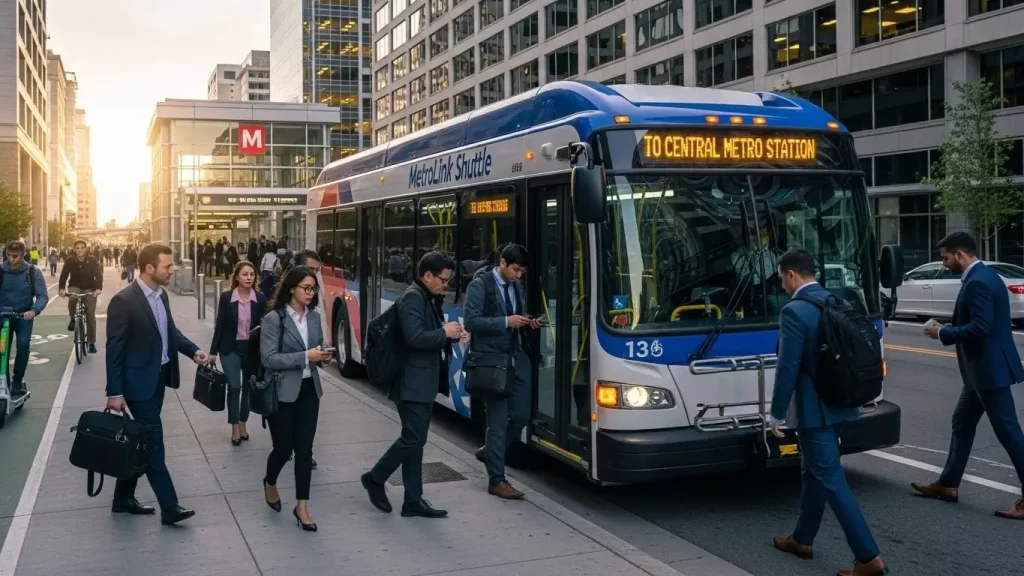
Daily Office Commuters
Office workers benefit greatly from feeder buses as they provide consistent and reliable access to metro stations during peak hours.
Students
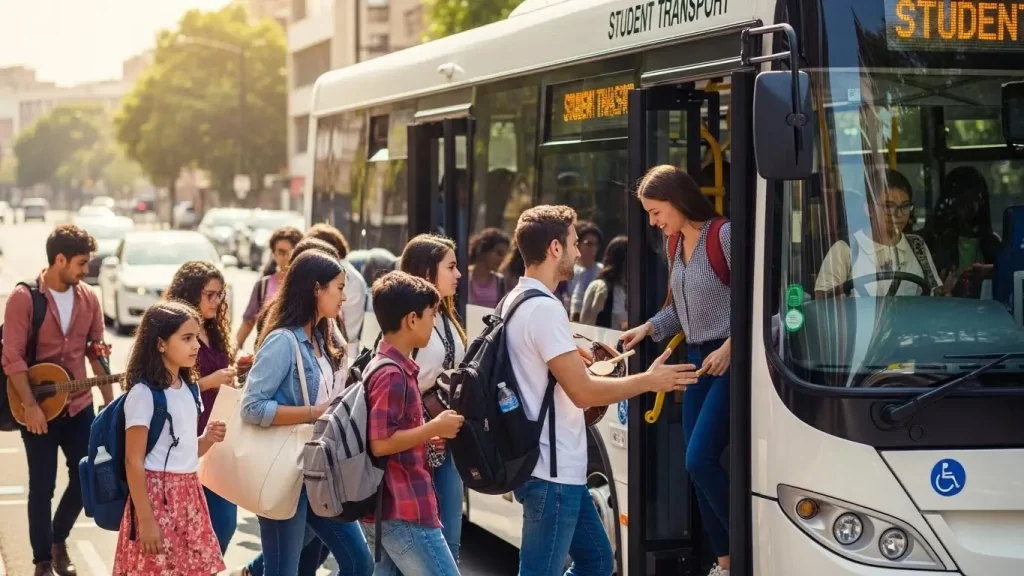
Students traveling to schools, colleges, or universities can use feeder buses for safe, affordable, and convenient daily transport.
Tourists & Visitors
Tourists unfamiliar with city roads can rely on feeder buses to access metro stations easily without navigating complex routes.
Residents Without Private Transport
For residents who do not own a car, feeder buses offer independence and mobility, ensuring easy access to the city’s main transport network.
Feeder Bus Fares & Payment Options
Fare Structure Overview
Feeder bus fares are usually calculated based on distance or integrated fare zones. In many cities, the cost is minimal and designed to encourage frequent use.
Integration with Metro Tickets/Cards
Most feeder bus systems allow passengers to use the same travel card for both bus and metro journeys. This seamless integration simplifies fare payment and enhances the overall commuting experience.
Tips for Using Feeder Bus Service Efficiently
Best Travel Times
Traveling slightly before or after peak hours can help passengers avoid crowds and ensure a more comfortable journey.
Route Planning Tips
Checking routes and schedules in advance using official transport apps or websites helps reduce waiting time and avoids missed connections.
Avoiding Rush Hours
If possible, plan trips outside peak office hours to enjoy smoother rides and quicker boarding.
Common Problems & Solutions
Missed Connections
Missed connections can occur due to delays or heavy traffic. Planning buffer time between feeder bus and metro departures helps reduce inconvenience.
Route Confusion
New users may find routes confusing initially. Using official maps, mobile apps, and station information boards can solve this issue easily.
Peak-Hour Crowding
Crowding during peak hours is common. Opting for earlier buses or off-peak travel can improve comfort.
FAQs
What is a feeder bus?
Trunk: Routes that ply between various towns. (e.g. 5, 12, 27, 100, 133, 162, 857, 960) Feeder: Services that operate within a single town (e.g. 243G, 334, 386, 410W, 807, 901M, 945) or in a dual-loop fashion (e.g. 222, 291, 293, 811, 912)
What is a feeder bus in Dubai?
A new free feeder bus service is now available for all Dubai Metro users, significantly enhancing connectivity. These buses will help bridge the ‘last mile’ gap, making it simpler and more convenient to get to and from the Metro stations.
Is a feeder bus more expensive?
Commuters travelling the same distance on the same type of service pay the same fare, regardless of whether they are travelling direct or making transfers. *Fares for Feeder Bus Services are capped at 3.2km.
What is a feeder used for?
What Are Feeders Used For? A feeder is a mechanical device designed to regulate and deliver materials in a controlled manner. It ensures consistent flow rates and uniformity in feeding processes, which is critical for maintaining efficiency and quality during production.
What are the disadvantages of feeder buses?
Advantages: Enhances public transport accessibility, reduces car dependency, supports economic development by connecting job markets.
Disadvantages: Higher operational costs if demand is low in certain areas, potential challenges in maintaining consistent service frequency.
How to pay for an MRT feeder bus?
You can pay the bus fare by Touch n’ Go card. Concession Fare (50% discount) will be given to senior citizens, students and people with disabilities (OKU registered under the Department of Social Welfare/JKM).
Conclusion
The Feeder Bus Service has become a vital link in modern public transport systems by solving the last-mile connectivity challenge. By connecting residential and commercial areas directly to metro stations, it makes daily commuting more accessible, affordable, and efficient for a wide range of users. This integration encourages greater use of public transport while reducing reliance on private vehicles.
With structured routes, synchronized timings, and seamless fare integration, feeder buses strengthen metro networks and support sustainable urban mobility. Whether for commuters, students, or visitors, using feeder bus services helps save time, reduce congestion, and promote environmentally friendly travel, making cities more connected and easier to navigate.